

Planning
Best Time to Visit Tanzania
Understand the dry and green seasons, the Great Migration timing and the best months for each park.
Everything you need to know before you travel to Tanzania — seasons, packing, costs, visas and safety, all in one place.
Jump to the topic you need, or read straight through — we've covered the essentials.
Understand the dry and green seasons, the Great Migration timing and the best months for each park.
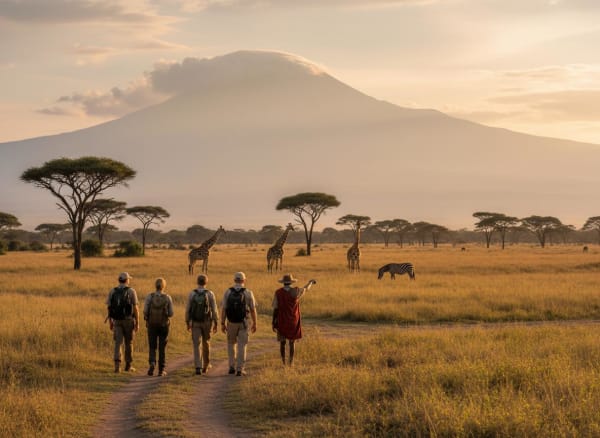
Neutral layers, binoculars, a good camera, and the small essentials that make a big difference.
What affects safari pricing, how to compare quotes, and where you can save without missing out.
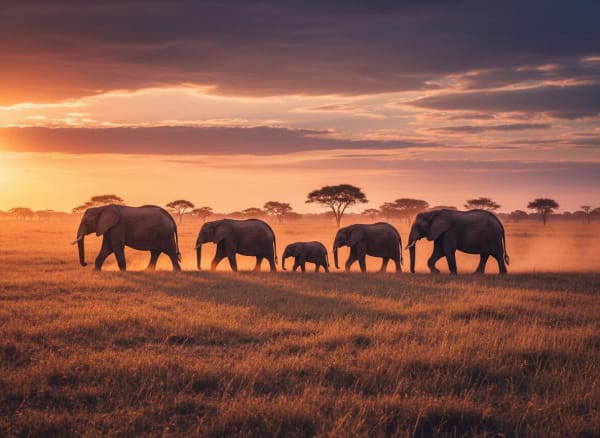
Visa on arrival for most nationalities, entry requirements, and the vaccines and meds to organise in advance.
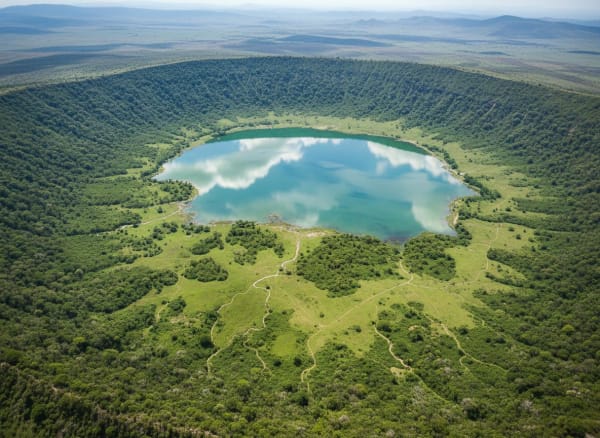
Staying safe in the bush — vehicle rules, respecting wildlife, and staying healthy on the road.
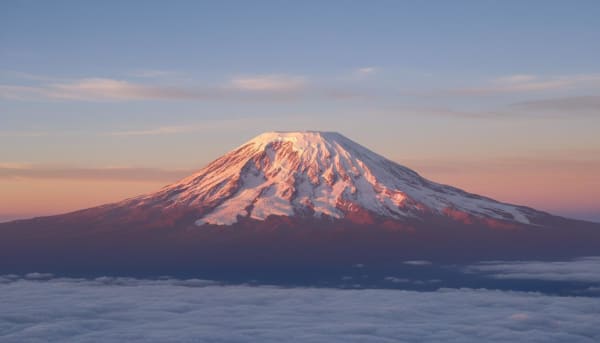
Routes, training, gear and acclimatisation — how to give yourself the best summit chance.
Tanzania's dry season runs June to October — the classic safari window. Wildlife congregates around rivers and waterholes, grass is short, and game viewing is at its best. December to March offers warm, dry conditions across the north with calving season in the southern Serengeti.
The green season (November–May) brings lush landscapes, dramatically fewer crowds and lower prices — ideal for budget travellers and photographers. The Great Migration famously crosses the Mara River between July and November, so time your Serengeti visit accordingly if you want to see the crossings.
Dress in neutral, light layers — khaki, beige and olive work best in the bush. Mornings on game drives are cool, so bring a fleece or light jacket even in the dry season. Comfortable walking shoes, a wide-brim hat, sunscreen and insect repellent are non-negotiables.
Binoculars and a camera with a decent zoom will change your trip. Bring a refillable water bottle, any personal medication including a small first-aid kit, and a power bank — most camps do charge devices, but at their own pace. Leave bright whites and camouflage at home.
Safari pricing is driven by three main factors: which parks you visit (Serengeti has the highest entry fees), how many nights you stay, and your accommodation and transport standard. A budget camping safari might run a few hundred dollars per person per day, while a premium lodge safari costs significantly more.
When comparing quotes, check what's actually included: park fees, transport, fuel, park ranger/guide fees, meals and accommodation. The cheapest quote isn't always the best value if extras start appearing later. We believe in one transparent price — no hidden add-ons, just what's genuinely included.
Most nationalities can obtain a Tanzania visa on arrival at Kilimanjaro, Arusha or Dar es Salaam airports, or apply online in advance via the official e-visa portal. Ensure your passport is valid for at least six months from your arrival date and carry your return ticket details.
For health, most travellers need a Yellow Fever vaccination certificate if arriving from a country with risk of yellow fever transmission. Malaria prophylaxis is recommended for most itineraries — speak to your doctor 4–6 weeks before you travel. Pack and drink plenty of bottled or filtered water.
Stay inside your vehicle at all times during game drives — never exit to take a photo, no matter how close a lion looks. Keep arms inside the vehicle, and always follow your guide's instructions. At night, camps have their own rules; a guide will walk you to and from your tent.
Respect the animals' space: no flash photography that could disturb them, no loud noises, and patience at sightings. Drinking water is safe in the big hotels and most lodges (usually filtered or bottled), and your guide will point out tap-water situations where you should stick to bottles.
Most climbers use the Marangu "Coca-Cola" route or the scenic Machame route — we arrange both, and every ascent is guided with full porter support. Fit and determined walkers with no special training can summit, but the altitude is the challenge, not the distance.
Train with steady hillside walking and long day hikes, practise sleeping at altitude if you can, and invest in quality layers, a sleeping bag rated for −10°C, and boots you've already broken in. Pole-pole — slowly, slowly — is the golden rule. Your guide sets the pace, and we follow it religiously to give you the best summit chance.
Questions about seasons, routes or budgets? Our safari experts reply within hours — not days.